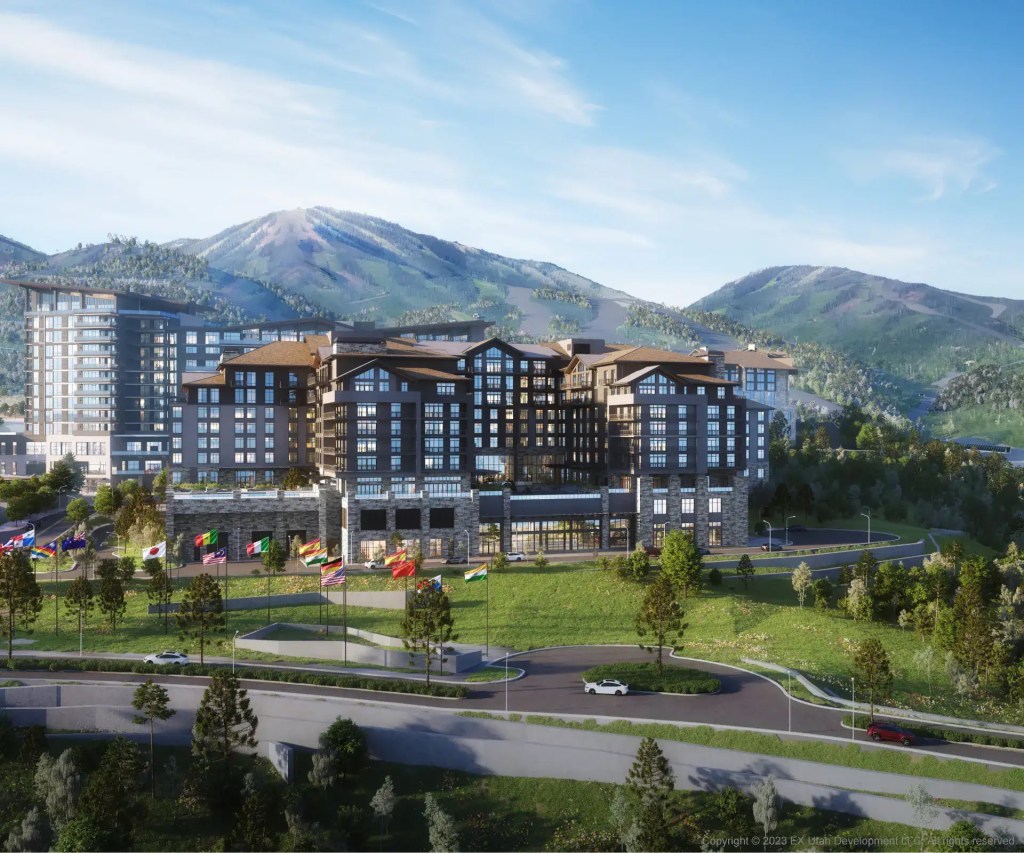
An Innovative Way A Ski Resort Added Employee Housing


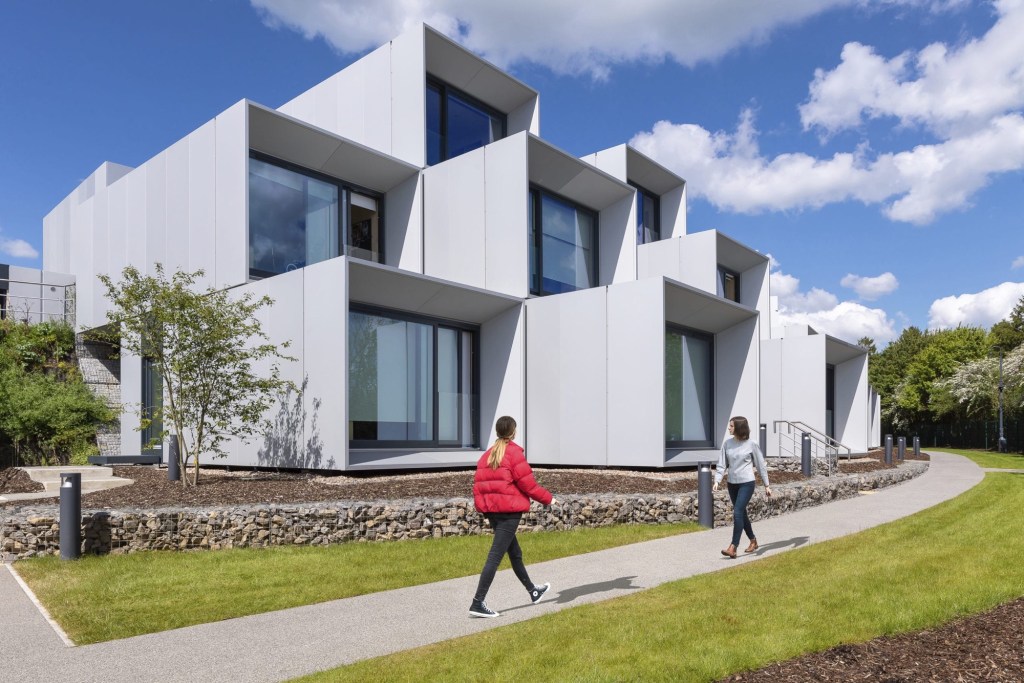
The brand-new Conifer Commons in Winter Park offers over 330 beds in a mix of studios and single units with communal kitchens, living spaces, and bathrooms.


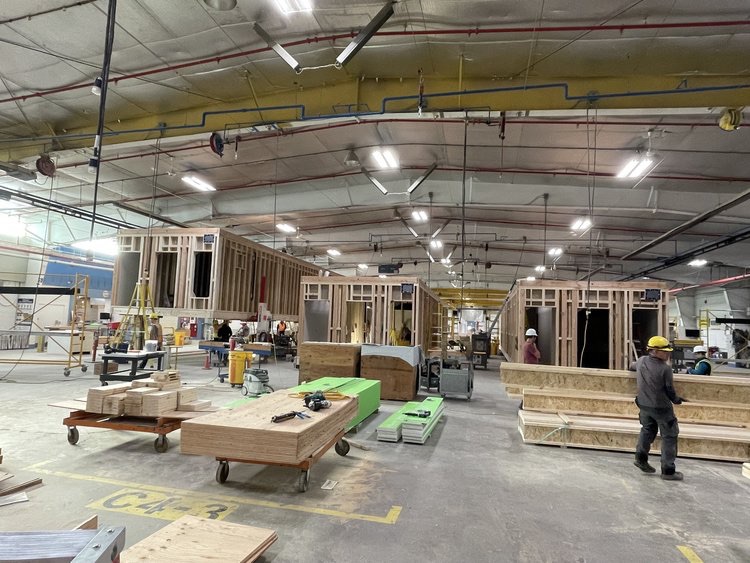
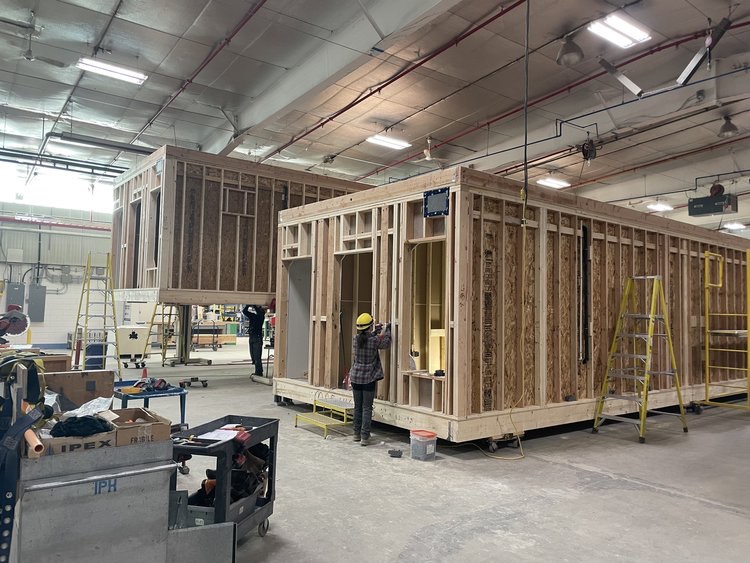
The project is notable for three reasons: It was a collaborative effort that took into account feedback from the community and the town, and it went up fast — the project used modular construction so the structures could be built offsite during the snowy, winter months and then shipped in. Most notably, the project is located on ski resort land, so employees don’t have to drive or take a bus to work. The area is walkable and Conifer Commons is located just yards away from Winter Park Resort’s Cabriolet lift, which leads to the mountain’s base area.
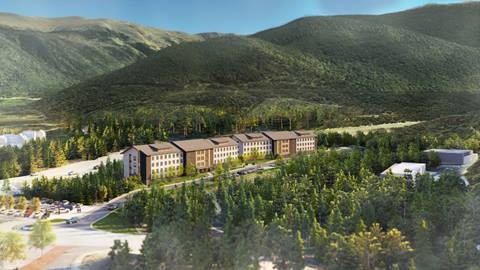

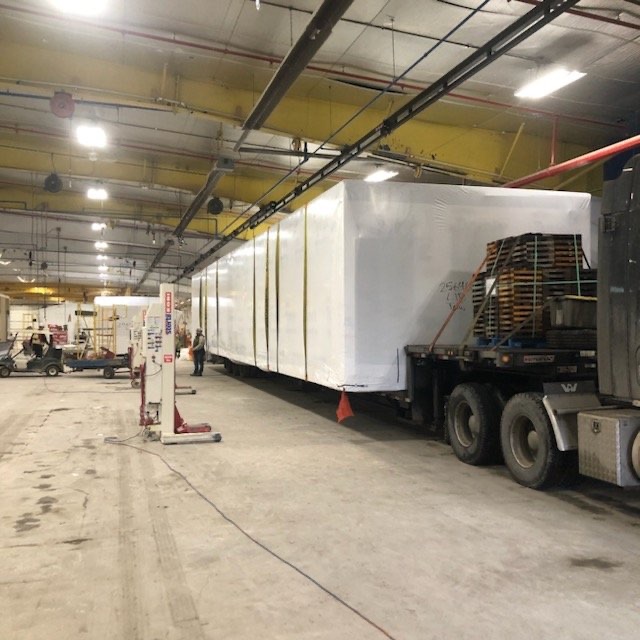
It’s no secret that ski town housing is a problem—locals are moving farther and farther away from the slopes in exchange for lower rent, or giving up on the dream completely. But what’s happening to the people who wake up every day to ensure the ski area and its amenities are operable? The people who make sure the runs are groomed, the lifts are turning, and skis are waxed? Ski area employees—many of whom are seasonal—are also facing the housing crisis. There are plenty of jobs, but where are they supposed to live? Winter Park’s new Conifer Commons’ modular design means that building components were constructed off site and shipped in so the development could be completed quickly—a boon for snowy mountain communities.


Lifties, ticket scanners, and groomers make your favorite ski area hum, but they can’t work if they can’t find an affordable place to live.


LIVE & WORK IN A NEW WAY


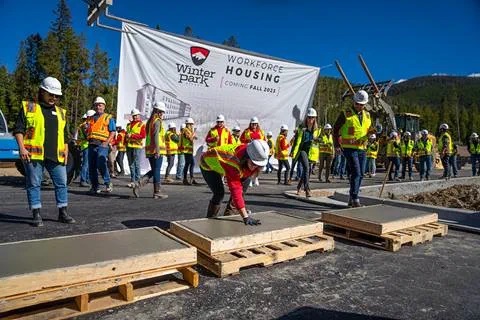
Recognizing the crisis-level need for local housing for seasonal and year-round workers, in Eighteen months , Conifer Commons is Complete and Residents have moved in. The project was a collaborative effort between local officials and public/private organizations, including Winter Park Resort, Alterra Mountain Company, Saunders Construction, the Town of Winter Park, Winter Park Recreation Association and others.
Conifer Commons is located just off U.S. Highway 40 and Winter Park Drive, near the main entrance to the resort, providing employee residents with close-in accessibility to the resort and transit.

HIGHLIGHTS OF CONIFER COMMONS


· A 330+ bed workforce housing complex
· Local housing for seasonal and year-round employees
· Sustainable modular construction, ready for solar
· Walk to work, recreation and entertainment
· A mix of studios, and single units
· Communal kitchens and living spaces
· Provides every resident a lockable room with privacy


The Conifer Commons project is a great example of how communities can come together to address the workforce housing crisis. By working together, we can create more sustainable and affordable housing options for the people who make our communities thrive.

Ready to revolutionize workforce housing in your community? We specialize in innovative and sustainable construction solutions, including modular housing. We can help you create high-quality, affordable housing options for your workforce, just like Winter Park Resort. Contact us today to discuss your project! We’d be happy to answer your questions and show you how modular construction can benefit your community. Reach out via email at dan@danredevllc.com, or visit our website at https://www.danredevllc.com/ to learn more!
🏗️ Investment Opportunity: Project 1

Transforming Communities Through Sustainable Development 

Overview:

We invite investors to participate in Project 1, a groundbreaking development designed to redefine sustainable real estate based on the belief that those providing critical services need the opportunity to live in the community where they work. We will develop a mix of workforce housing that is both well located and affordable for working families along with thoughtfully curated retail and communal spaces per the needs of the communities.

Key Investment Highlights:

• Location Advantage: Prime sites near employers offering strong demand for both housing and mixed-use spaces.

• Project Scale: The developments will include over 100 residential units, with 75% allocated to workforce housing, alongside retail and community spaces.

• Proven Track Record:  Our leadership team, spearheaded by Dan, brings over $2 billion in real estate investments and a portfolio of 18,000+ units developed and John Milne and Susan Gillespie together with 30+ years in business operations and real estate.

• Strong Market Fundamentals: High growth potential in our project sites located in WA, OR and VT, supported by robust job creation and population trends.

• Sustainable Vision: Focused on environmentally friendly construction practices, with LEED-certification goals and community-centric designs along with infill redevelopment benefiting from repeatability at scale.

Investment Details:

Why Invest in Project 1?

By investing in Project 1, you’re not just participating in a real estate project—you’re contributing to a development that prioritizes sustainability, inclusivity, and long-term community impact specifically focused on employer partnership.

Get Involved:

For more information or to explore this opportunity further, visit www.danredevllc.com or contact us directly at dan@danredevllc.com

Developing Health, Building Community: Project Zero by DanReDev LLC

At DanReDev LLC, our mission is clear: to create affordable, well-located housing solutions that allow essential workers to live in the communities they serve. By focusing on workforce housing for the “missing middle,” we aim to deliver sustainable, community-focused developments that support working families.

Project Zero: A New Standard for Housing Development

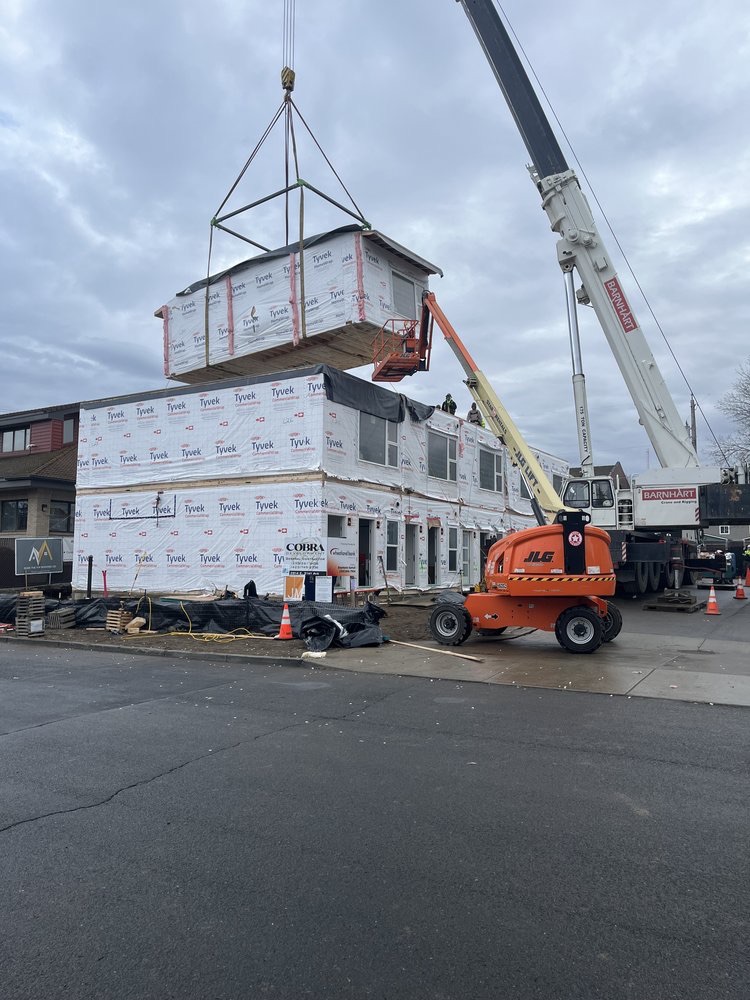
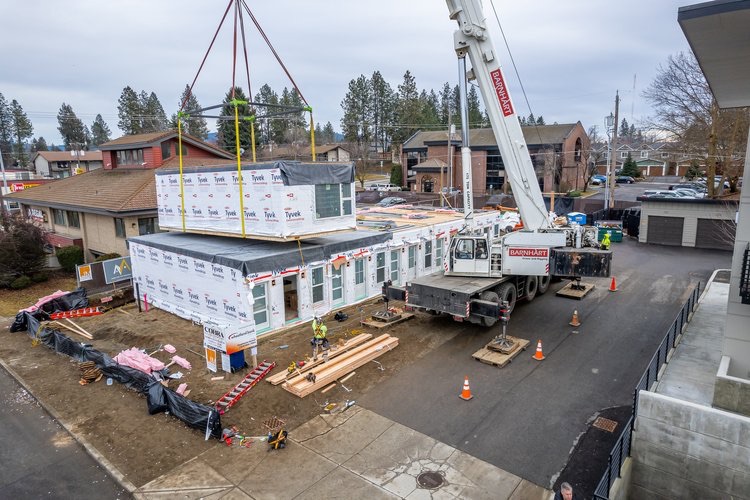
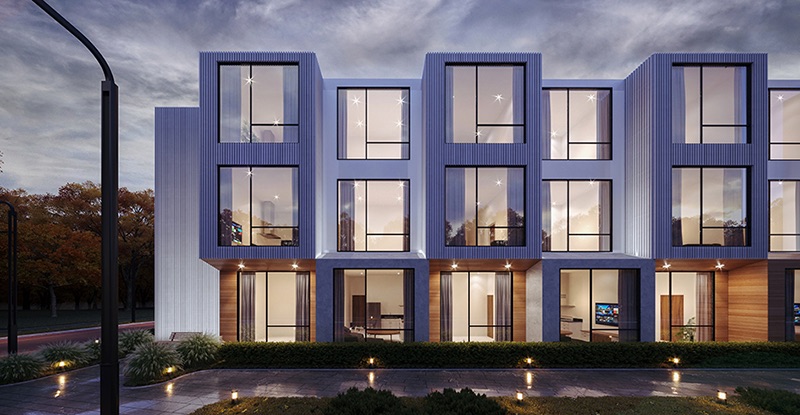
Located in Spokane, Washington, Project Zero is DanReDev LLC’s pioneering pilot project, showcasing the potential of modular construction to revolutionize workforce housing. This project refined our kit-of-parts concept while validating the efficiency and quality of modern modular building techniques.

How It Works

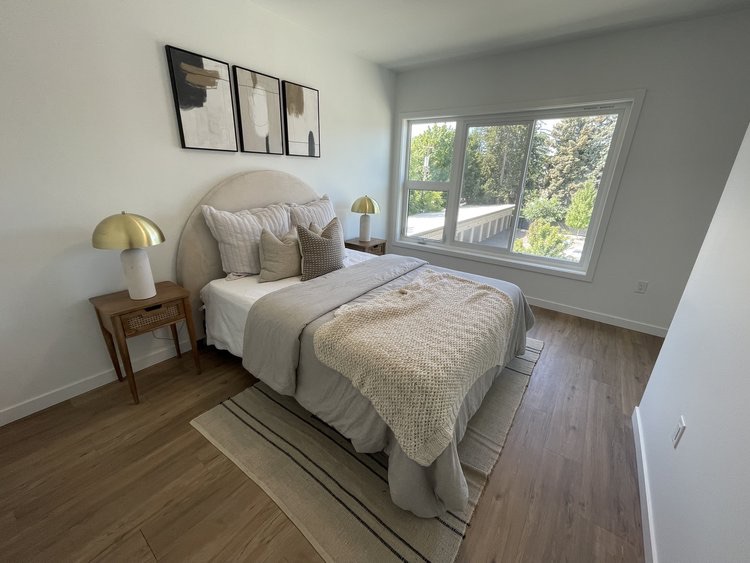
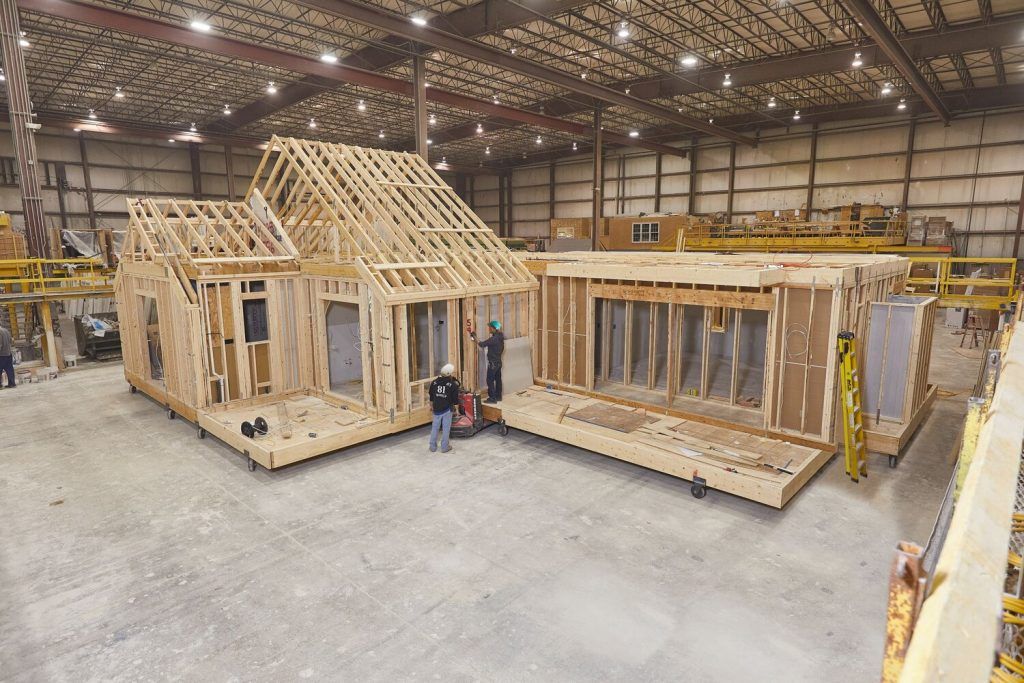
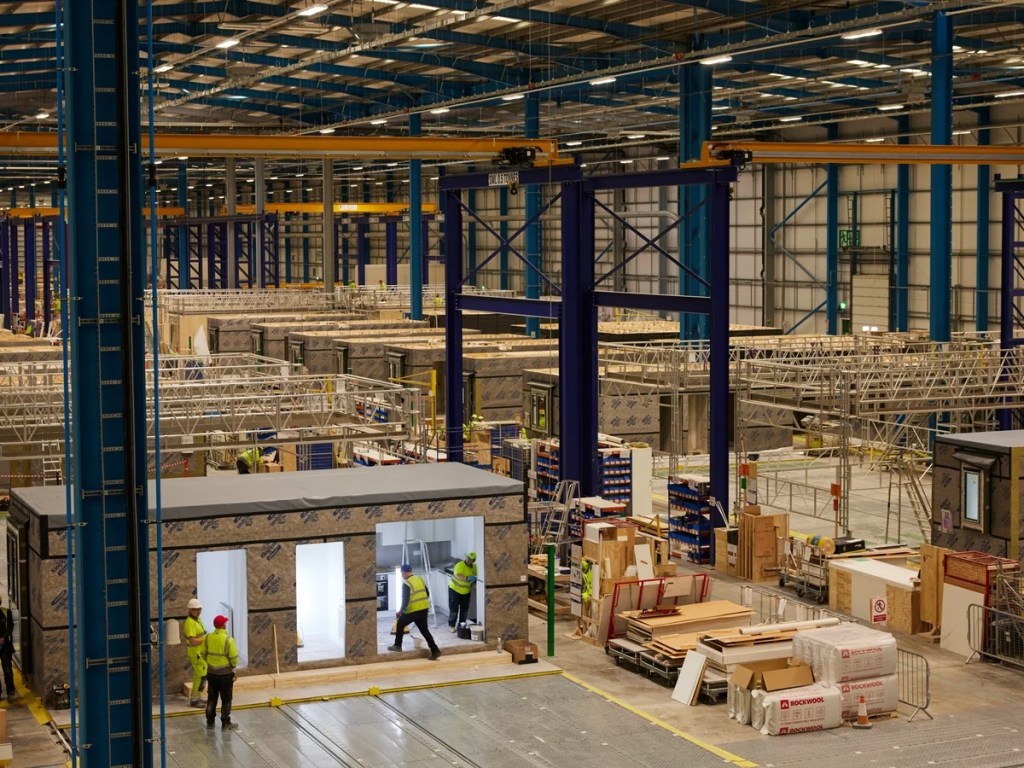
The homes in Project Zero were built in a climate-controlled factory, delivered to the site with fully finished interiors, and installed by crane in just four days.

This innovative approach ensures:

• Speed: Faster delivery times reduce delays and allow communities to benefit sooner.

• Quality Control: Factory settings maintain precision and consistent craftsmanship.

• Cost Savings: Efficient production reduces waste and drives affordability at scale.

Why Modular Construction?

DanReDev LLC uses LEAN/Six Sigma principles to rethink traditional construction. Modular building optimizes every aspect of the process, from design to delivery, offering scalability and sustainability to meet housing demands.

Now Leasing at Project Zero

Located at East 31st Avenue in Spokane, Project Zero offers thoughtfully designed housing options to meet the needs of working families:

• Three-Bedroom Townhouses: Two-story units (985 sq. ft.) for $1,800/month.

• One-Bedroom Flats: Compact and efficient units (495 sq. ft.) starting at $1,150/month.

• Reserved parking: $50/month.

• Reserved parking with electric car charging (220V): $110/month.

More Than a Property Manager

At DanReDev LLC, we go beyond simply managing properties. We offer resources to help residents grow their careers and work toward homeownership, fostering long-term stability and success.

Join Us in Building the Future

DanReDev LLC is dedicated to creating communities where people can live, work, and thrive. Project Zero is just the beginning of our commitment to delivering impactful housing solutions.

For leasing inquiries or to learn more, visit www.DanReDevLLC.com or email dan@danredevllc.com.

Creating Community. Making Home Attainable.

Could Modular Homes Be the Key to Solving the Affordable Housing Crisis?

As home prices continue to soar, the dream of homeownership feels increasingly out of reach for many Americans. With decades of underbuilding leading to a massive housing shortage, families are finding it harder than ever to secure a place to call home. But what if there was a solution that could make building homes faster, more affordable, and more efficient? Enter modular homes—a construction method making a strong comeback and offering hope for a new, more accessible path to homeownership.

A Blast from the Past with a Modern Twist

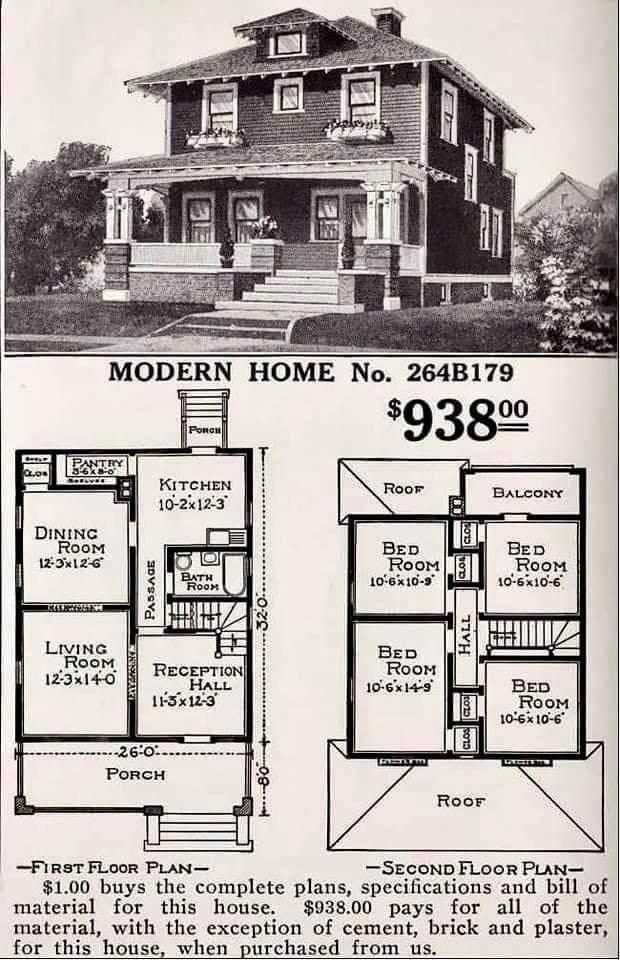
Modular homes may seem like a new trend, but they actually have a long history in American housing. In fact, the concept dates back to the early 20th century when companies like Sears offered prefabricated kit homes. These early homes were a sign of innovation, and today, modular construction is experiencing a resurgence, fueled by the growing need for affordable housing.

So, how does this innovative building method work, and why is it gaining traction now?

How Modular Homes Work: Fast, Efficient, and Cost-Effective

Imagine building a home like assembling a complex puzzle. In modular construction, homes are built off-site in a factory setting, where individual rooms or sections (called “modules”) are constructed with all the necessary framing, utilities, and even interior finishes. Once these modules are complete, they’re transported to the construction site and assembled, much like building blocks coming together to create a fully functional home.

This process has several key advantages over traditional on-site construction, but first, it’s important to clear up a common misconception.

Modular vs. Manufactured Homes: What’s the Difference?

It’s essential to distinguish between modular homes and manufactured homes. While both are prefabricated, modular homes are built to the same local building codes and standards as traditionally constructed homes. They are designed to meet the same safety, durability, and quality requirements as site-built homes, unlike manufactured homes, which follow different construction standards set by the Department of Housing and Urban Development (HUD). This means modular homes are just as safe and long-lasting as conventional homes, making them a viable and high-quality option for buyers.

The Benefits of Modular Homes: Why They Could Be the Solution We Need

There are several key advantages to modular construction that make it a compelling solution to the affordable housing crisis:

  1. Speed: Modular homes can be built in half the time of a traditional home. Because the modules are constructed off-site while the foundation is prepared, the entire process is faster and more efficient.
  2. Cost: Factory production leads to fewer delays, reduced material waste, and economies of scale, which translates to lower construction costs. These savings can be passed on to homebuyers, making homeownership more affordable.
  3. Quality: Building in a controlled factory environment ensures consistency in quality. Each module is built with precision and care, reducing the chances of defects and ensuring a durable, high-quality home.

Real-World Impact: Modular Construction in Action

Companies across the U.S. are already proving that modular homes can make a real difference. For example, Vederra Modular in Colorado and Rise Modular in Minnesota are both leading the charge in building affordable, modular housing. These companies are constructing homes at a fraction of the cost of traditional market-rate housing, helping to alleviate some of the pressure on the affordable housing market.

But despite the clear benefits, modular homes still face some hurdles.

Challenges to Overcome

  1. Public Perception: Many people still associate modular homes with low quality or inferior construction. Changing this perception will be key to their widespread adoption.
  2. Financing: Securing financing for modular homes can be difficult because many lenders are unfamiliar with the process. Traditional mortgage providers may be hesitant to fund modular projects, and developers may struggle to secure the capital needed to scale production.
  3. Scaling Up: In order to meet the growing demand for affordable housing, the modular construction industry will need to expand its production capabilities. Increasing factory output and improving the logistics of delivering these homes to more remote locations will be critical for widespread adoption.

The Future of Housing: Can Modular Homes Lead the Way?

Despite these challenges, the potential of modular construction is undeniable. As the industry gains momentum, it could play a pivotal role in addressing the housing crisis and making homeownership more attainable for more families. With increased awareness, streamlined regulations, and targeted funding, we could see modular homes become a cornerstone of affordable housing development in the years to come.

What are your thoughts on modular homes? Do you think they could help solve the housing affordability crisis? Share your opinions in the comments below—we’d love to hear from you!

Fed Taps the Brakes (Again!), But Will the Economy Listen?


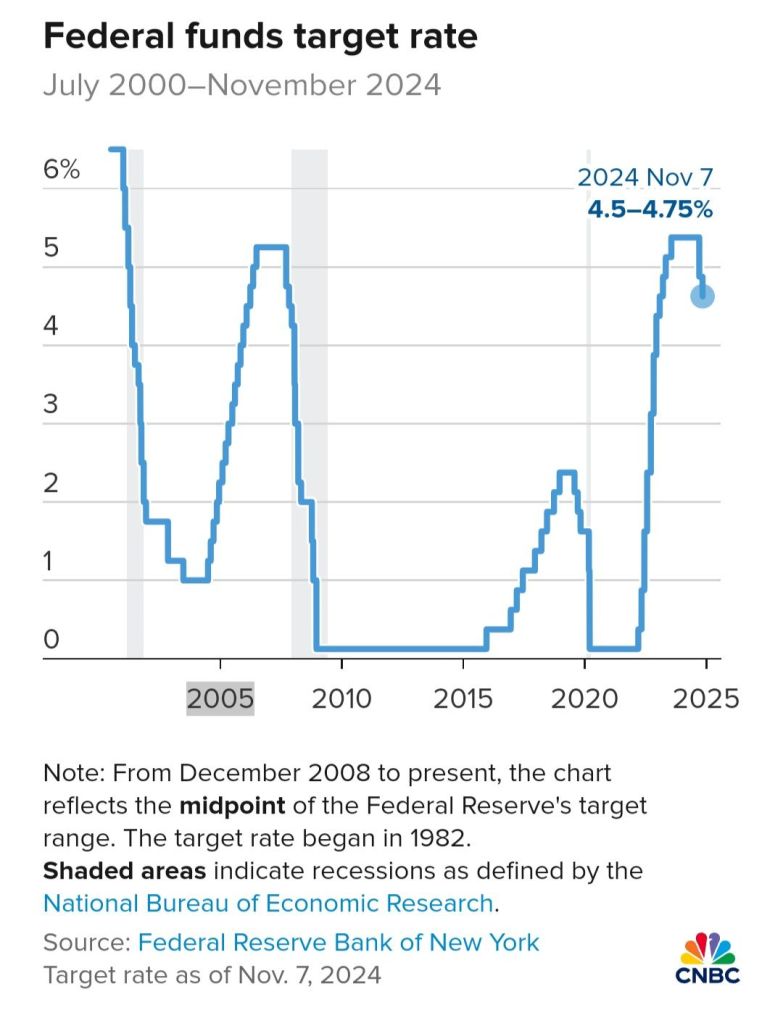
The Federal Reserve just hit the brakes on interest rate hikes for the second time in a row. This time, it’s a quarter-point decrease, bringing the benchmark borrowing rate to a target range of 4.50%-4.75%.


So, what does this mean for you?


Well, this rate influences everything from mortgages and credit cards to auto loans. While this move was widely anticipated, the big question is: will it be enough to steer the economy towards a “soft landing”?


Inflation vs. Employment: A Balancing Act
The Fed is walking a tightrope. They’re trying to tame inflation without triggering a recession. And it seems like they’re prioritizing job security just as much as fighting rising prices.


The Market’s Reaction? A Bit of a Head-Scratcher


Interestingly, despite the Fed’s rate cuts, mortgage rates and Treasury yields have actually gone up since September. It seems like the market has a mind of its own!


What’s Next?


Experts predict another quarter-point cut in December, followed by a pause in January. The Fed will then take a breather to assess the impact of its moves.


Key Takeaways:

  • The Fed is taking a less aggressive approach to interest rate cuts.
  • The focus is on balancing inflation control with a healthy job market.
  • The market’s reaction to the rate cuts has been unexpected.
  • More cuts are expected in the near future, but the Fed is proceeding with caution.
    Want to learn more about how the Fed’s decisions impact your wallet? Stay tuned for updates!

Donald Trump’s Return to the White House: What It Means for the Housing Market

The 2024 presidential election has ended in a stunning political victory for Donald Trump, who will return to the White House for a second term. With a hotly contested race that saw him secure critical swing states, Trump has claimed the presidency once again, this time with the backing of a Republican-controlled Senate. Although control of the House is still uncertain, a Republican sweep of both chambers would provide Trump with considerable power to enact his policies, including those addressing the nation’s growing housing crisis.

With home prices at record highs and a mounting affordability crisis affecting millions of Americans, Trump’s second term could have a significant impact on the housing market. During his campaign, Trump positioned himself as a champion of affordable housing, promising to tackle both supply-side constraints and what he sees as the negative effects of immigration on the housing market.

The Housing Crisis: A Growing Concern

The housing affordability crisis has reached a critical point in America. Recent data reveals that nearly half of all renters are considered cost-burdened, while many aspiring homeowners are locked out of the market by skyrocketing property prices. On the campaign trail, Trump attributed the rise in home prices to increased illegal immigration under the Biden administration, arguing that it has strained housing demand.

However, as Trump prepares for a return to office, his housing policies could have complex implications. Let’s take a closer look at the key aspects of his housing agenda and what they could mean for the market.

Mass Deportation: A Controversial Solution?

One of Trump’s most controversial proposals is the mass deportation of immigrants. Trump and his running mate, J.D. Vance, have consistently claimed that illegal immigration is a major driver of the housing affordability crisis, with immigrants competing with American citizens for limited housing resources. Trump has promised to conduct the “largest deportation operation in American history,” arguing that it would reduce housing demand and ease home prices.

The reality, however, is more nuanced. While some evidence suggests that higher immigration levels can drive up rents in certain areas, experts warn that mass deportations could have significant negative consequences. Ralph McLaughlin, senior economist at Realtor.com®, explains that immigrants play a crucial role in the housing market, particularly in construction. Up to a third of residential construction workers are foreign-born, and a reduction in this labor force could severely hamper new homebuilding efforts.

LendingTree economist Jacob Channel also points out that mass deportations could destabilize the broader economy, creating ripple effects that would harm more than just the housing market. “While fewer immigrants might free up some housing, the economic fallout from such a drastic policy would likely be catastrophic,” Channel warns.

Cutting Regulations and Boosting Housing Supply

Trump has also focused on regulatory reform as a way to address the housing crisis. He has promised to slash regulations and eliminate permit requirements that he believes are driving up construction costs. In a September speech, Trump claimed that cutting these regulations could reduce the cost of new homes by as much as 50%.

While deregulation could have some positive effects—especially by reducing the costs associated with new construction—experts remain skeptical of the scale of relief that such measures could provide. The National Association of Home Builders (NAHB) estimates that regulations account for about 7% of the cost of a new home, far less than the 30% figure Trump cited.

Economists, including Channel, suggest that while streamlining the permitting process could help increase housing supply, it would not be a panacea for the deep-rooted issues in the housing market. “Even if regulations were cut, it would still be difficult to provide sufficient relief to bring down home prices significantly,” Channel notes.

One of Trump’s more promising ideas is to open up federal land for large-scale housing development. This approach, aimed at reducing taxes and regulations for developers, could help ease the housing shortage. However, there are limitations to this plan. Much of the federally-owned land is located in rural or Western regions, which may not align with where most Americans want to live and work.

The Question of Mortgage Rates

On the campaign trail, Trump also promised to lower mortgage rates, a proposal that has generated some skepticism. As many experts have pointed out, the president does not have direct control over mortgage rates, which are influenced by broader economic factors, including inflation and Federal Reserve policies.

While Trump has expressed a desire to exert more control over the Federal Reserve, experts agree that the central bank’s role in setting monetary policy will remain independent. Mortgage rates are more directly tied to investor expectations and economic forecasts, and recent market trends suggest that rates may continue to rise, driven by concerns over inflation and fiscal policy.

The Long Road Ahead for Housing Affordability

Despite his ambitious proposals, Trump’s policies may not offer an immediate solution to the country’s housing crisis. The nation’s housing shortage is the result of a decade-long trend, dating back to the aftermath of the Great Recession, when homebuilding slowed dramatically. Most economists agree that addressing this shortage will require more than just cutting red tape or shifting immigration policy.

Ken Johnson, a finance professor and real estate economist at the University of Mississippi, points out that both political parties have struggled to make significant headway on housing issues. “Housing supply has been a problem for more than 10 years, and quick fixes from either party are unlikely to resolve it,” Johnson says.

Conclusion

As Trump prepares to take office once again, his proposed policies on immigration, deregulation, and housing development will shape the future of the U.S. housing market. While some of his ideas, such as reducing regulatory burdens and expanding the availability of federal land for housing, could provide limited relief, experts remain cautious about the feasibility and effectiveness of his broader agenda.

The housing crisis is complex and multifaceted, and solving it will likely require a more comprehensive, long-term approach. As we watch Trump’s second term unfold, it will be critical to evaluate the real-world impact of his policies on the housing market and whether they can effectively address the affordability challenges facing millions of Americans.

For more updates on how political changes affect the housing market, stay tuned to our blog and share your thoughts on what Trump’s presidency means for the future of homeownership.

Elon Musk’s $10,000 Homes: Revolutionizing Affordable Housing?

Can the visionary entrepreneur really deliver on this game-changing promise?

Elon Musk is no stranger to disrupting industries. From electric vehicles with Tesla to space exploration with SpaceX, he consistently pushes the boundaries of what’s possible. Now, Musk has set his sights on a new frontier: affordable housing.

The internet is buzzing with the news of Musk’s ambitious plan to offer homes for a mere $10,000. Could this be the solution to the ever-growing housing affordability crisis in the United States?

The Vision: Sustainable, Affordable, and Accessible

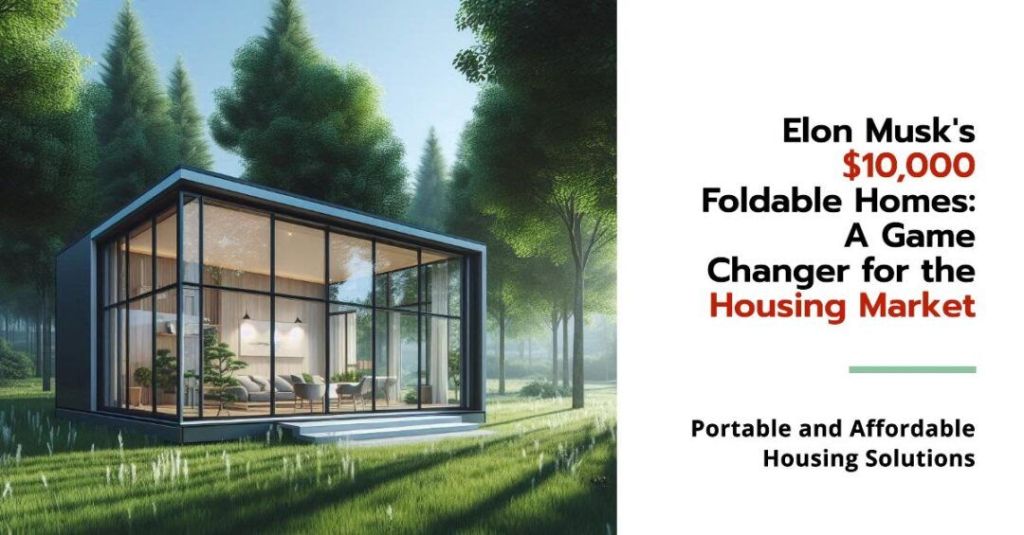
Musk’s vision, in partnership with Boxabl, centers around the Casita, a prefabricated, modular home designed for rapid assembly and energy efficiency. While the base price of a Casita is currently $60,000, significantly lower than the average U.S. home price, Musk aims to drive this cost down to an unprecedented $10,000.

This commitment to affordability could democratize homeownership, making it a reality for first-time buyers, those with limited incomes, and individuals seeking sustainable living options.

Key Takeaways:

 * Affordable Housing: Directly addresses the pressing need for affordable housing solutions.

 * Sustainable Living: Prioritizes eco-friendly materials and energy-efficient design.

 * Prefabricated Design: Leverages factory production for cost and time savings.

 * Market Impact: Has the potential to reshape the housing market and consumer behavior.

The Current Housing Crisis: A Perfect Storm

The need for affordable housing solutions has never been greater. Soaring interest rates, escalating material costs, skilled labor shortages, and inflation have created a perfect storm, pricing many potential homeowners out of the market.

Musk’s initiative offers a glimmer of hope in this challenging landscape. By providing an affordable and sustainable alternative, he could disrupt the status quo and force the industry to re-evaluate its approach.

The Boxabl Casita: A Closer Look

The Boxabl Casita is a compact, fully equipped home built with durability and efficiency in mind.

Features include:

 * Full-size kitchen and bathroom

 * Spacious living area

 * High-efficiency appliances and insulation

 * Potential for solar panel integration

Challenges and Opportunities

While the potential benefits are significant, Musk’s $10,000 home initiative faces several hurdles:

 * Zoning Regulations: Strict zoning laws could hinder construction in many areas.

 * Social Norms: Overcoming the cultural preference for larger homes may take time.

 * Financing: Securing loans for prefabricated homes could be challenging.

 * Market Saturation: Over-supply could lead to decreased property values.

Despite these challenges, the potential rewards are immense. This initiative could:

 * Increase competition: Encourage innovation and affordability in the housing market.

 * Shift consumer behavior: Drive demand for smaller, more sustainable homes.

 * Inspire government support: Incentivize affordable housing development and zoning reform.

 * Foster community cohesion: Create tight-knit communities centered around shared values.

A Bold Vision for the Future

Elon Musk’s $10,000 homes represent more than just affordable housing. They embody a shift towards sustainability, minimalism, and community-oriented living.

By challenging conventional norms and pushing the boundaries of what’s possible, Musk could revolutionize the housing market and pave the way for a more inclusive and accessible future.

What are your thoughts on Elon Musk’s affordable housing initiative? Share your comments below!

Disclaimer: This blog post is intended for informational purposes only and does not constitute financial or investment advice.

Breaking Ground on Fox Run Apartments: A Milestone for Affordable Housing in Central Vermont

The recent groundbreaking for Fox Run Apartments marks a crucial development for affordable housing in Central Vermont. Located in the heart of Berlin Commons New Town Center, this project promises 30 new units specifically designed to meet the needs of low- and moderate-income households. With thoughtful planning and collaboration between nonprofit and private partners, Fox Run Apartments will provide a safe and sustainable living environment, further enhancing the area’s community and economy.

Addressing Urgent Housing Needs

In Central Vermont, demand for affordable housing has reached critical levels. Fox Run Apartments offers a much-needed solution, with a mix of project-based housing subsidies, affordable units, and market-rate options. By focusing on sustainable development, Fox Run also integrates environmental solutions, including cold climate heat pumps that will prevent over 83 tons of CO2 emissions annually. This effort is a testament to how effective partnerships and public-private funding can provide safe and stable homes for families, local workers, and individuals in need of affordable housing options.

Building a Connected Community

Fox Run Apartments is ideally situated within walking distance to schools, employers, and local services. The property will include amenities like green spaces, community gardens, a dedicated resident services office, and a community room. Residents will also benefit from supportive services, thanks to an established partnership with the Family Center of Washington County, extending crucial resources to previously homeless families and individuals at risk. This collaboration ensures that new residents will find both housing and the support they need to succeed and grow within the Berlin community.

A $15.1 Million Investment in Vermont’s Future

The development of Fox Run Apartments represents a $15.1 million investment, funded by a mix of public and private sources, including contributions from Housing New England Funds, the Vermont Housing Finance Agency, the Vermont Housing and Conservation Board, and local partners. This coordinated effort highlights the power of collaborative funding, with contributions from organizations like Citizens Bank, NeighborWorks, Efficiency Vermont, and Green Mountain Power supporting the vision for a more sustainable, inclusive community in Central Vermont.

A Model for Community-Focused Development

Fox Run Apartments is more than just housing; it’s a model for sustainable, inclusive, community-focused development. Through public-private partnerships, innovative funding solutions, and a commitment to green building practices, this project is setting a new standard in Vermont. As developers and investors, there’s much to learn from the collaborative approach taken here. Projects like Fox Run aren’t just changing the skyline—they’re transforming the way communities think about affordable housing, neighborhood connectivity, and sustainability.

A Growing Opportunity for Real Estate Investors and Developers

For developers and investors interested in community-driven, high-impact projects, Fox Run Apartments highlights the rewards of innovative real estate approaches. With demand for affordable housing continuing to grow, Central Vermont is an example of how the right partnerships and creative funding can support impactful development. The project sets a new benchmark for what’s possible when nonprofits, local governments, and private partners unite with a shared vision. As the need for affordable housing grows across the country, projects like Fox Run Apartments show the way forward in building resilient, thriving communities.

A New Chapter for the Union Pacific Depot: Asher Adams, Autograph Collection

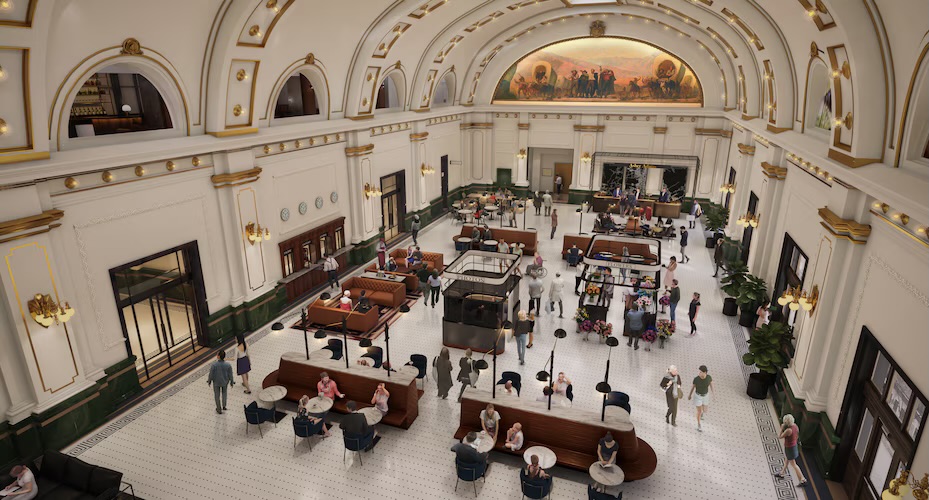
Salt Lake City’s historic Union Pacific Depot is set to reopen its doors, reimagined as Asher Adams, Autograph Collection—a luxurious, art-and-design-forward hotel that masterfully blends culture, art, and timeless glamor. This exciting development brings new life to one of the city’s most iconic architectural structures, which originally served as a passenger railroad station. Designed by architect Daniel James “D.J.” Paterson and constructed between 1908 and 1909, the Union Pacific Depot has stood as a landmark for over a century and is proudly listed on the National Register of Historic Places.

Preserving History, Embracing Modern Luxury

The Asher Adams project was an intentional adaptive reuse endeavor, preserving the Depot’s historic charm while infusing it with modern design elements. The 225-room hotel promises to embody the original spirit of the building, offering a luxurious retreat for both business and leisure travelers looking to experience the vibrant culture of Downtown Salt Lake City.

Guests will be greeted by a stunning lobby, where a neutral color palette and minimalistic furnishings allow the building’s history to take center stage. Jewel-toned accents add a touch of glamor, complementing preserved elements like the stone façade, grand hall murals, stained glass windows, and intricate decorative molding.

Inside the guest rooms, a sleek sophistication defines the aesthetic, merging rustic and industrial design elements. Expect clean lines, black and copper accents, and textured furnishings. Several suites feature exposed brick, subway tiles, picture frame wall molding, and soaring 16-foot ceilings, creating an elevated experience that blends old-world charm with modern comfort.

A Culinary Journey That Honors the Past

Asher Adams promises not only a visual experience but also a memorable culinary journey, offering several dining and drink options that pay homage to traditional train travel:

Rouser is a charcoal-inspired New American restaurant with an open kitchen and tableside elements. The menu, crafted around a Josper grill, oven, and rotisserie fueled by charcoal, is a nod to the coal-powered train engines of the past.

No. 119 is a whiskey-forward bar overlooking the grand hall, perfect for those who appreciate sophisticated cocktails and an upscale atmosphere.

• For music enthusiasts, The Gandy Dancer offers a stylish vinyl lounge with a curated selection of over 2,500 records. Designed by a professional music curator, this space will be a haven for audiophiles and those looking for a unique social experience.

• The Bar at Asher Adams completes the dining experience with a nostalgic setting, offering classic cocktails in a design-led atmosphere that evokes the glamour of days gone by.

Additional amenities include a coffee shop and market, a state-of-the-art fitness center, and five versatile meeting and event spaces. Guests can enjoy sweeping views of Salt Lake City and the Wasatch Mountain Range, and the property’s prime location offers easy access to the city’s top entertainment, sports, and cultural venues.

A Place to Gather and Celebrate

At the heart of this transformation is a desire to create a space that welcomes both locals and visitors to gather, celebrate, and enjoy Salt Lake City’s growing modern culture. Located just steps from the city center, Asher Adams is ideally positioned for those attending professional sports games, concerts, or cultural events—the heartbeat of Utah’s vibrant scene.

This grand reopening marks the next chapter in the life of the Union Pacific Depot, ensuring that this architectural gem continues to play a vital role in the community for generations to come. Asher Adams, Autograph Collection is set to officially open on October 31, 2024. Whether you’re a history lover, a design enthusiast, or simply looking for a unique travel experience, this new addition to Salt Lake City’s skyline is sure to impress.

Are you excited to experience the transformation of the Union Pacific Depot? Let’s start a conversation! Share your thoughts, your memories of this iconic building, or what you’re most looking forward to in this historic reimagining. Feel free to reach out to us for more details on this incredible project. We’d love to hear from you!

Global Luxury Real Estate Development Roundup: From Niseko to Disney World

As the demand for luxury, lifestyle-driven homes continues to evolve, developers around the world are responding with new, extravagant projects. From the ski slopes of Niseko, Japan, to the sunny shores of Phuket, Thailand, developers are rolling out amenities-packed residences designed for discerning buyers. This season, we’re spotlighting new developments that offer lavish living away from traditional financial hubs like New York and London, focusing on regions where lifestyle and convenience take center stage.

In 2021 and 2022, lifestyle-driven home purchases reached a fever pitch, and while that surge has cooled somewhat, developers remain eager to meet the ongoing demand for exclusive homes. From mountaintop retreats to waterfront havens, these new projects offer unparalleled access to recreation and relaxation. Let’s take a closer look at the latest launches around the globe, including key developments in the U.S. Southeast and beyond.

Southeast U.S. Developments: Embracing Leisure and Luxury

The luxury housing market in the Southeastern U.S. is drawing in affluent buyers with spacious, airy homes that blend style and convenience. Buyers—whether they’re lifelong Southerners or snowbirds fleeing colder climates—are drawn to the easygoing, light-filled designs that characterize the new developments in the region.

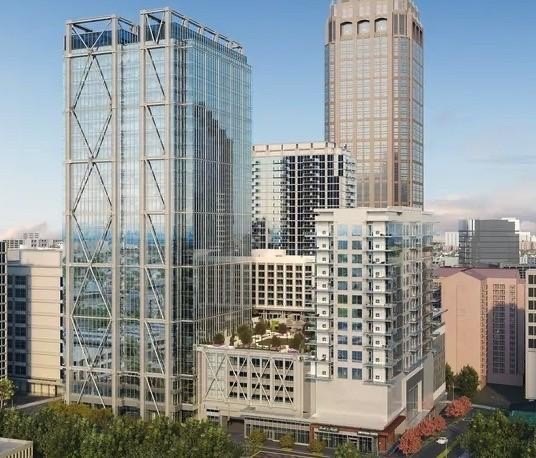
Art Residences at 40 West 12th, Atlanta

Atlanta’s luxury real estate market continues to thrive, and the Art Residences at 40 West 12th embody this momentum. This new residential tower, part of the Rockefeller Group’s project at 1105 West Peachtree, offers 8 exclusive homes that boast high-end finishes, from Sub-Zero and Wolf appliances to wine refrigerators and expansive balconies. The building includes impressive amenities such as a fitness club, an all-season resident-only pool, and a Sky Plaza with outdoor cinema and grilling stations.

Units: 8

Price Range: Starting at $1.7 million

Home Sizes: 1,525 to 2,547 square feet

Key Amenities: Access to the hotel’s rooftop pool, fitness center, and a private outdoor terrace.

Paramount, 1010 Church St., Nashville

Slated to be Nashville’s tallest tower, Paramount will rise 60 stories above downtown, offering both apartments and condominiums. This ambitious project blends high-end living with expansive views and world-class amenities, including a fitness and yoga room, outdoor pool deck, and private lounges exclusively for condo residents. The modern tower’s faceted design reflects the evolving skyline of Nashville, positioning it as a future landmark.

Units: 360 apartments, 140 condominiums

Completion: 2027

Key Amenities: Dedicated condo lounges, a dog spa, bike room, and access to the adjacent YMCA’s fitness and recreation options.

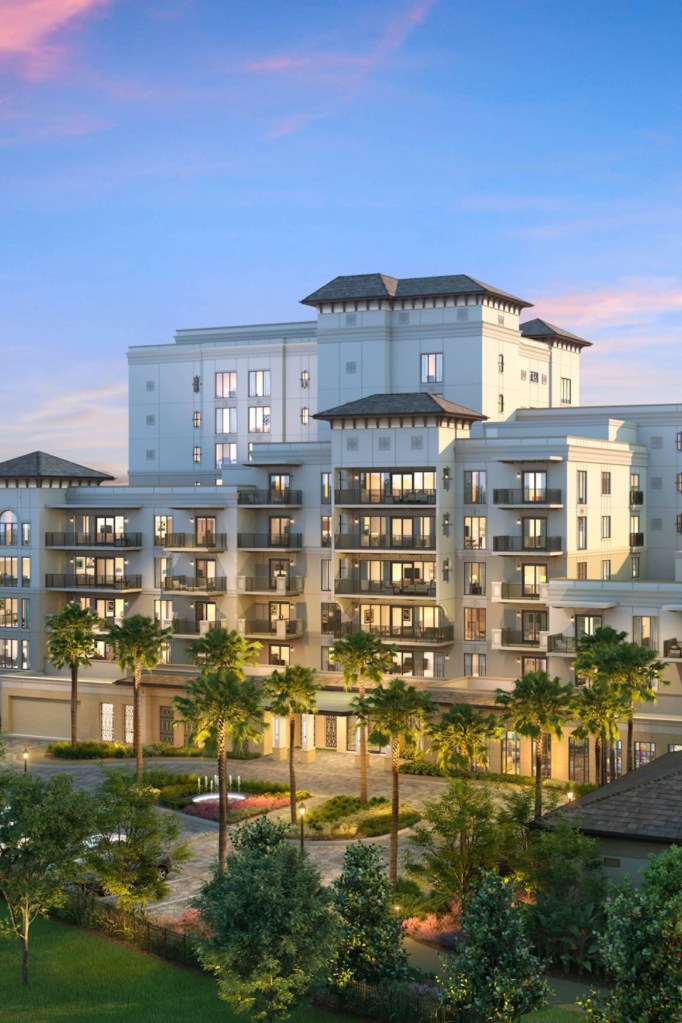
Four Seasons Private Residences, Walt Disney World, Orlando

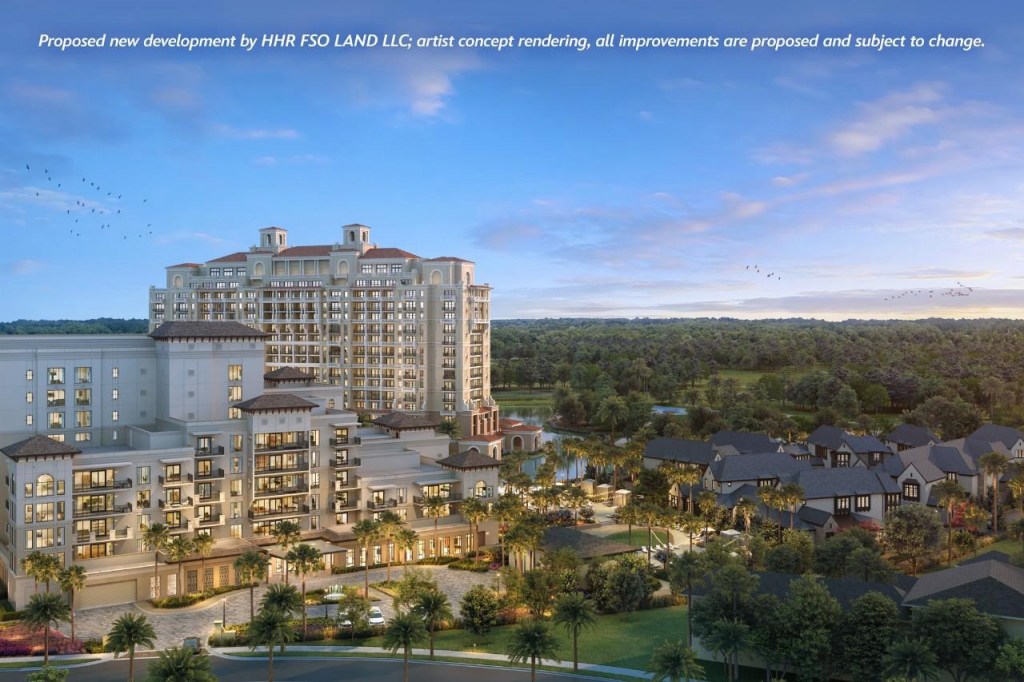
Just minutes from Disney World’s Magic Kingdom, Four Seasons Private Residences bring luxury living to the heart of Florida’s most famous destination. The mid-rise residential tower and boutique homes combine timeless architecture with open floor plans and resort-style amenities, including a private pool, cabanas, and access to the five-star services of the nearby Four Seasons Resort. Residents will also enjoy membership to the exclusive Golden Oak at Walt Disney World Resort, a community clubhouse and fitness center.

Units: 40 homes (31 in a mid-rise tower, 9 boutique homes)

Price Range: Starting at over $5 million

Key Amenities: Residents-only pool, five pools at the Four Seasons Resort, championship golf course, and spa access.

Mountain and Midwest Developments: Elevating Resort Living

Luxury homebuyers are continuing to prioritize resort-style living, particularly in the Midwest and Mountain regions of the U.S., where high-end developments blend exclusivity with outdoor adventure.

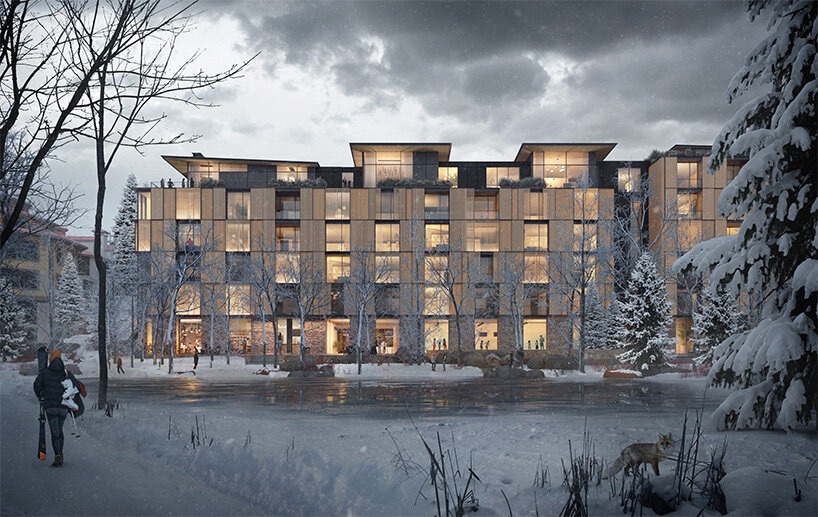
Four Seasons Hotel and Private Residences, Telluride, Colorado

The highly anticipated Four Seasons development in Telluride is set to redefine luxury in this premier ski town. With ski-in, ski-out access, private lockers, and state-of-the-art amenities, the project is already attracting significant interest, including pre-sales reaching $22 million for a single unit. With a spa, fitness center, and smart oxygen systems to aid in acclimating to Telluride’s high altitude, this project epitomizes luxury mountain living.

Units: 27 condos, 42 hotel residences

Price Range: $4 million to $40 million

Key Amenities: Ski valet, private residents’ club, indoor lap pool, and underground parking.

Cormont at Deer Valley, Park City, Utah

Located in one of the most famous ski regions in the U.S., the Cormont development in Deer Valley will feature 350 furnished units with year-round recreational options. From a ski valet service to hiking and fishing just steps away, this project promises a luxurious experience for nature lovers, with family-friendly amenities like a rooftop lounge and exclusive ski lounge.

Units: 350

Price Range: $1.7 million to $7.5 million

Key Amenities: Rooftop lounge, fitness facilities, and concierge services.

A Global Perspective on Luxury

Whether in the Southeast U.S. or the mountains of Japan, today’s luxury developments are designed to appeal to those seeking more than just a home—they’re looking for an experience. With a focus on lifestyle, relaxation, and world-class amenities, these projects are setting new standards for luxury living around the globe.

For investors and buyers alike, these developments represent not only a new way of living but also a unique opportunity to own a piece of the world’s most sought-after real estate. Stay tuned as we continue to track the most exciting developments shaping the future of luxury living.